The year 2023 was the hottest on record in Kazakhstan, with temperatures reaching up to 46°C. While it is still too early to know how this year will compare, 2025 is on track to be extremely hot, in Kazakhstan as well. In some countries, governments have imposed certain limits to working in the heat.
Despite extreme temperatures in the south and west of Kazakhstan during the summer, the government does not provide any clear guidelines on working in the heat, leaving the decision entirely up to employers.
No Guidelines
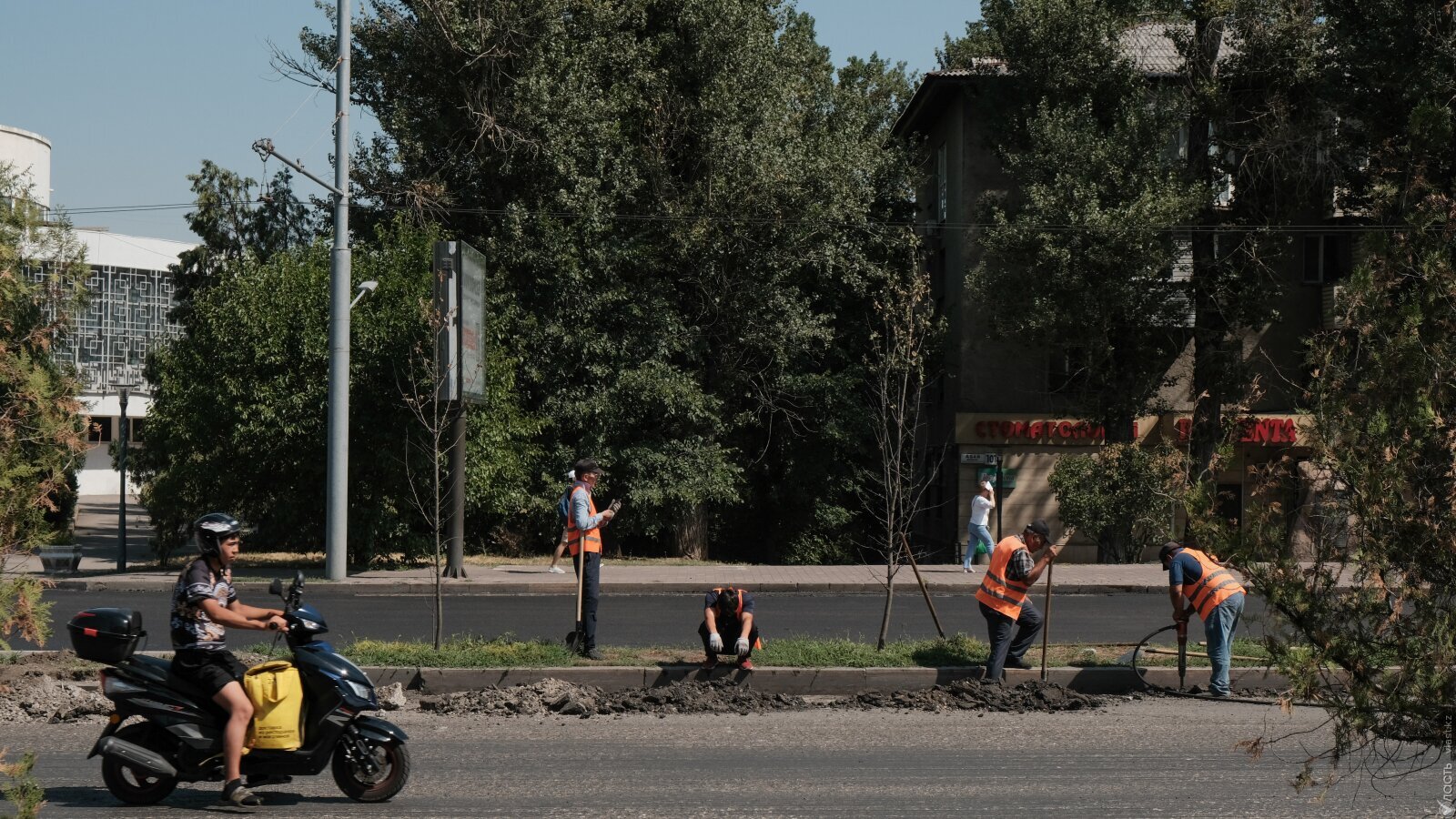
On a boiling afternoon in Almaty, Kazakhstan’s largest city, a woman sweeping the street laughs when she is asked whether there is a limit to how long she is allowed to work in the heat.
Another man nearby is working from 8am til 5pm, watering and cleaning the city’s parks.
“There are no weather-related restrictions, even in 50°C we keep working. We have very strong, tough people working with us who will keep going despite the cold, heat or hail.”
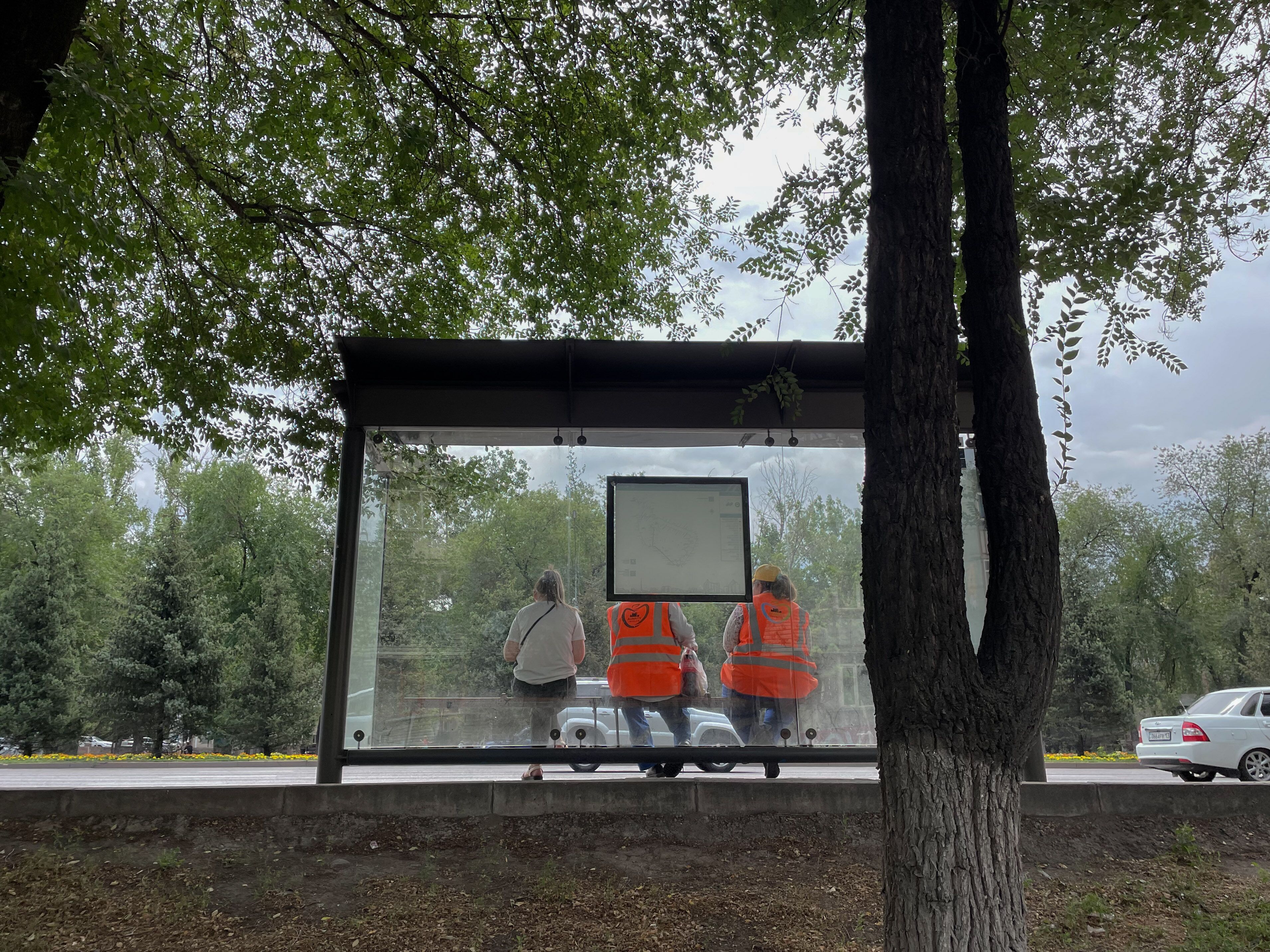
Responding to Vlast, the Committee for sanitary and epidemiological control of Kazakhstan’s ministry of health acknowledged that the hot weather was especially dangerous for those who work outdoors.
Yet, Kazakhstan does not keep records about the number of deaths related to outdoor work.
“Periods of hot weather are becoming more frequent and the human body is not equipped to withstand them. Working outdoors when the air humidity is very low and the temperature is very high takes a heavy toll on the body as it quickly becomes dehydrated. It is imperative we pay attention to workplace safety and people’s health,” said Svetlana Dolgikh, the then head of the Climate Research Department at the RSE ‘Kazgidromet’ in an interview with Vlast in 2019.
In 2022, restrictions were introduced on the hours people are allowed to work outside in the winter, but the summer and heat was absent from the discussion.
However, the committee noted that an existing law sets guidelines for breaks during work in both hot and cold weather.
“In accordance with article 82 paragraph 2 of the Labor Code, employees working outside in the cold or hot weather, in unheated indoor spaces, or engaged in loading work are entitled to paid breaks for warming up or cooling down. The employer must provide the appropriate facilities for these workers.”
However, there is no mention of the exact temperatures at which these requirements come into effect or how long the break should last. There are only generic phrases, which employees have difficulty referring to.
“It is recommended that employers and local authorities take preventive measures to ensure workplace safety. In particular, they should reduce working hours during the hottest time of the day, organize breaks in cool rooms and provide employees with sufficient drinking water and protection from the sun. In addition, they should adjust working hours to earlier or later in the day and monitor the health of employees, particularly those in risk groups.”
The Committee clarified that high air temperatures cannot be grounds for taking action against an employer.
More Frequent Breaks
Kazakhstan’s situation is comparable to Russia’s where temperatures inside are required to be kept around 25°C. If temperatures exceed 28.5°C, it is recommended the workday is shortened by one hour, at 29°C by two hours and at 30.5°C by four.
When the temperature exceeds 32.5°C for those working outdoors, they are entitled to take breaks every 20 minutes, and these breaks must be at least 10 minutes. Workers wearing personal protective equipment (PPE) cannot be in the heat for more than five hours and those without, no more than two hours. Drinks should also be freely available and kept below 15°C.
At the beginning of July in Italy, 47-year-old Ait El Hajjam Brahim died while working on the outskirts of Bologna due to extreme heat. Following this, several Italian cities introduced restrictions on working outdoors during summer.
Several Italian municipalities are considering a total ban on working outdoors in extreme heat as a result.
Contract Clarity
Andrey Prigor, chairman of the Amanat trade union, highlighted that the employer holds full responsibility for workplace safety in extreme temperatures, according to the Labor Code.
“The Code does not have specific regulations. The safety procedures should be specified in the contracts between employees and their employers,” Prigor told Vlast.
In Prigor’s opinion, safety concerns largely depend on the workers themselves, and their ability to organize into trade unions and put forward demands which can be included in collective agreements.
“This is more difficult for couriers, seasonal workers and other laborers who work outdoors. For example, couriers experience rapid turnovers. Plus, they are not considered employees. These platforms are not responsible for their workers or obliged to pay for periods of illness,” Prigor said.
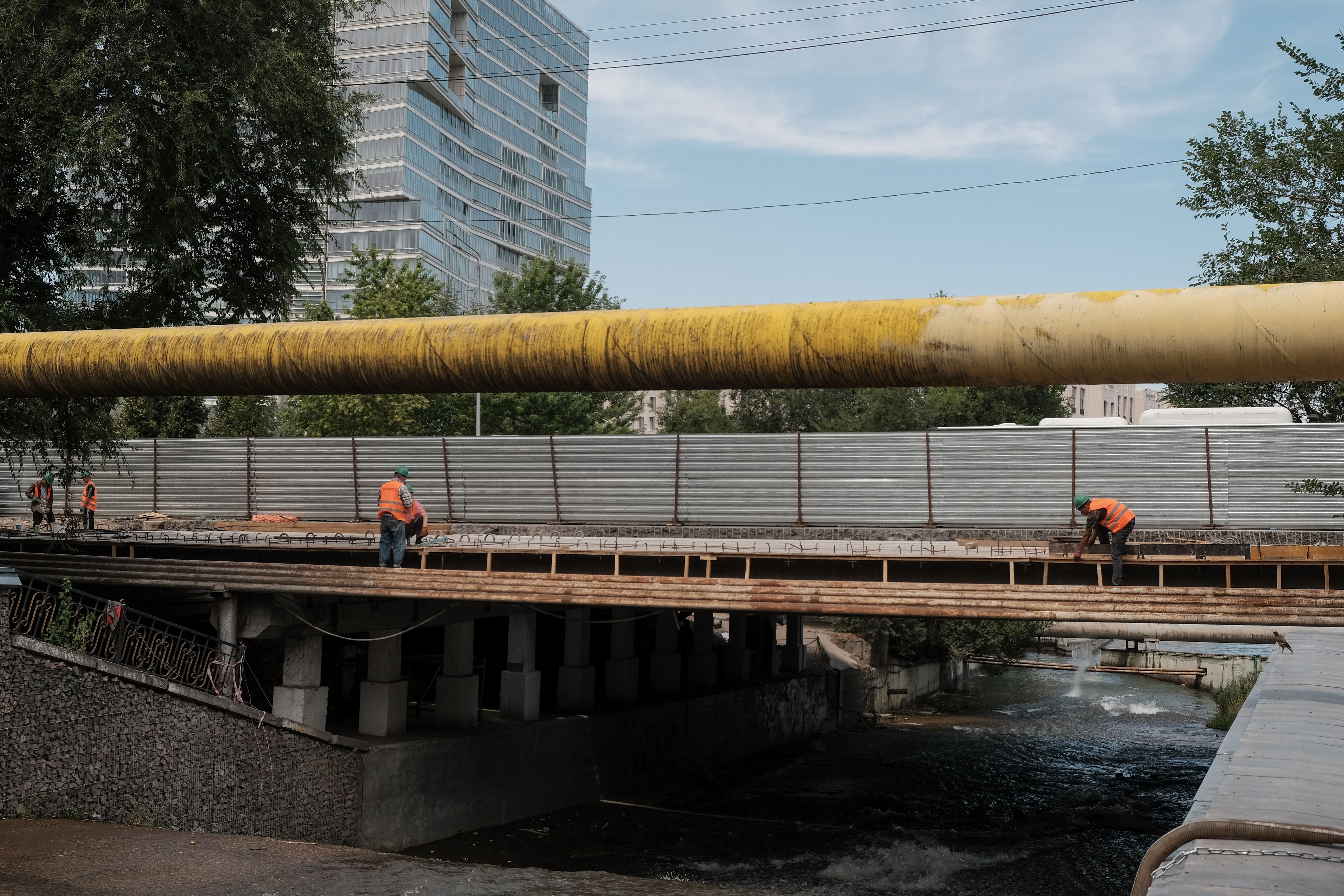
“The same goes for road workers. They are hired for seasonal work and only feel the consequences of the heat after their job is complete, once they have gone their separate ways. That is why they don’t consider joining trade unions.”
Prigor believes the government should play a more hands on role in this situation, so these decisions are not entirely left up to employers.
At the moment, workplace inspections can only be carried out once a formal complaint has been received. However, according to Prigor “there are no official complaints.”
“If no-one complains, there seems to be no problem. If, however, road workers took industrial action, the government would have to take notice.”
An edited version of this article was translated by Beatrice Learmouth.
Поддержите журналистику, которой доверяют.