The Central Bank said on November 19 that it plans to adopt the loan-to-value ratio for calculating permissible interest rates on mortgages. This would essentially slash the monthly payout for customers committing to a larger down payment. The regulator also said that the maximum rate of return on mortgage loans will be kept at 25% until the second half of next year.
“Kazakhstan’s public debt has not been managed very well due to a lack of coordination with the ministry of finance,” Timur Suleimenov, the Central Bank’s chairman, noted on the sidelines of a government meeting on November 19. Suleimenov said that despite a low debt-to-GDP ratio, the cost of servicing the public debt exceeds healthcare costs. Suleimenov added that the Central Bank will establish a Debt Management Office.
On the same day, Suleimenov also said that the Central Bank expects inflation to slow down in the next months, which will allow for a gradual decrease of interest rates starting from next year.
Madina Abylkassymova, the head of the Agency for the Regulation of the Financial Market, said on November 19 that the government had approved a further freeze in the household debt market. Under the extension, lenders will be barred from selling individual loans to debt collectors until May 2027. The yearlong extension is part of a plan to ensure greater institutional accountability in the private debt sector.
The Majilis, the lower chamber of Parliament, approved on November 19 a bill that would ban wage disparities at companies that have collective agreements with their workers. Under the new rules, employees in the same position within the same company must receive the same pay. Deputy Askhat Aimagambetov noted that “there’s a wage gap between foreign and local specialists who perform the same work and meet the same requirements.”
Serik Zhumangarin, deputy Prime Minister and minister of economy, said at a government meeting on November 19 that the government will only consider raising the national minimum wage from 2027-2028. Kazakhstan last increased the minimum wage in January 2024, setting it at 85,000 tenge ($187 at the time, now $164 due to the progressive depreciation of the tenge).
Both ExxonMobil and Chevron are rumored to be vying for the foreign oil assets of Russian energy giant Lukoil. Reuters reported this week that the two US majors are interested in buying Lukoil’s stakes in the coming weeks, including significant stakes in Kazakhstan-based projects, as the Russian company is scheduled to be hit by US sanctions in mid-December.
Kazakhstan’s government has filed a $15 million lawsuit in Switzerland against subsidiaries of Italy’s Eni in an effort to strengthen its position in separate case, Bloomberg reported on November 17. Eni, one of the major foreign operators in Kazakhstan’s largest oil and gas fields, is also among the companies targeted by Kazakhstan’s government in an arbitration claim worth around $160 billion. [Read more here.]
President Kassym-Jomart Tokayev signed amendments to the law on artificial intelligence on November 18, lifting restrictions on mining and trading cryptocurrency. Until now, the Astana International Financial Center (AIFC) was the only platform where licensed mining and exchange activities were allowed. The amendments also set limits on how long organizations may process personal data.
RAMS Qazaqstan, a top-three leader in real estate development, announced a rebranding on November 18. In the days leading up to the announcement, the company removed its logo from several construction projects across Almaty. On November 17, it announced that it would no longer develop its Beyond Almaty flagship project, through which it was supposed to build a “premium multifunctional complex with premium residences.”
Oskemen Energo, a subsidiary of state-owned utility Samruk Energo, will build a third thermal power plant in the capital of the East Kazakhstan region. According to regional governor Nurymbet Saktaganov, construction should begin early next year. It was previously announced that Russian companies would participate in the construction of the coal-fired power plant. Saktaganov also promised a new city-wide program to combat air pollution, which has plagued Oskemen for years.
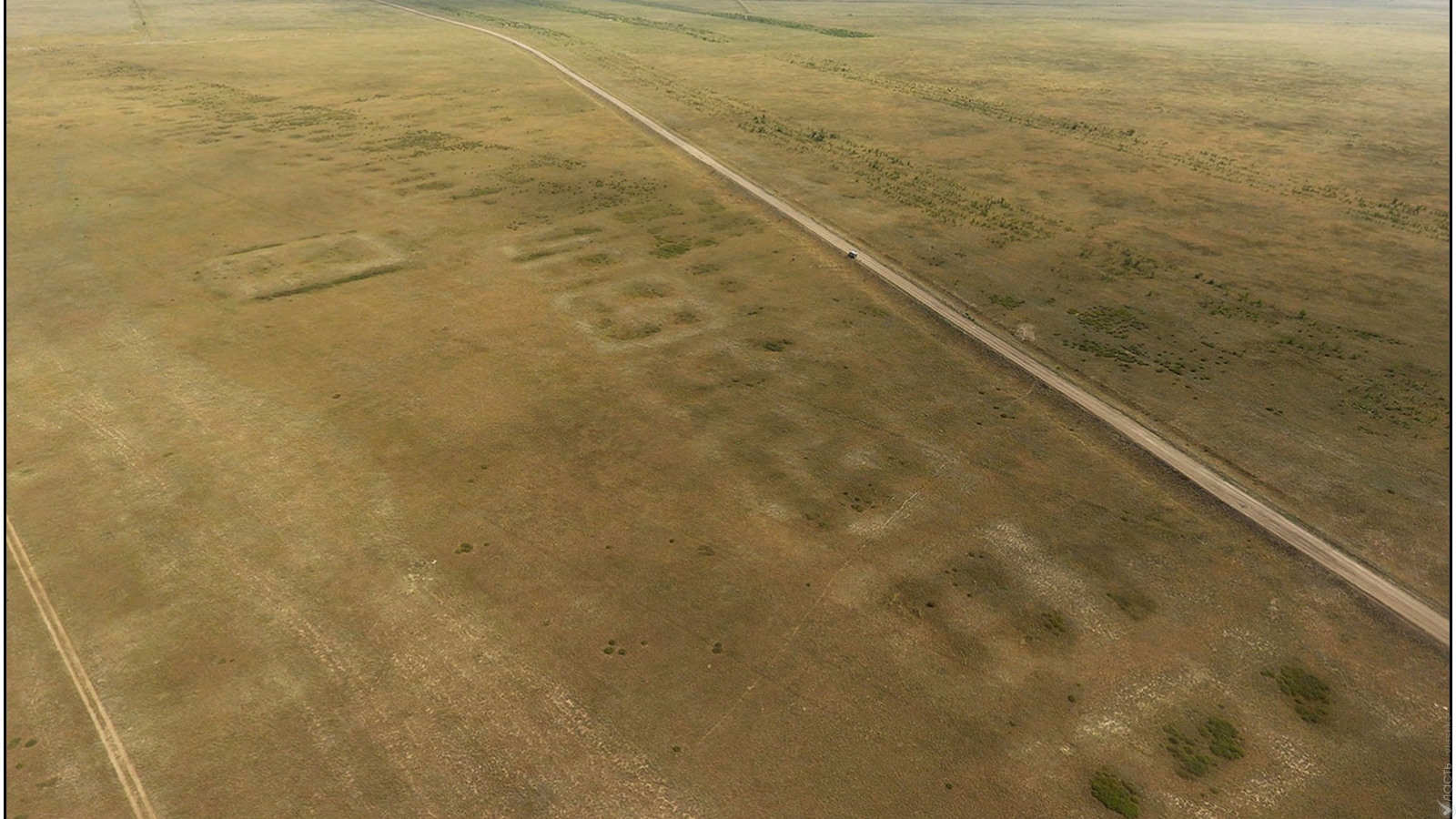
A group of archaeologists have discovered that a Bronze Age settlement in Kazakhstan could have been a major center of metal production. The results of the project, conducted by researchers from the UK and Kazakhstan, were published in Antiquity on November 17. The findings revealed a “unique settlement with planned architecture—including a central monumental structure.” The village of Semiyarka, near the Irtysh River, is located 150 km away from the north-eastern city of Semey.
Restrictions to Respublika, an opposition news media, took down its website and TikTok page between November 7-10. This week, the government said that the decision to block Respublika was based on a 2012 court ruling that classified the website and several related internet resources as “propaganda promoting the violent seizure of power and undermining state security.”
On November 18, authorities allowed the hospitalization of imprisoned activist and journalist Aigerim Tleuzhan after her health deteriorated. Tleuzhan was sentenced in 2023 to four years in prison for the “seizure of Almaty airport during the January events.” Her lawyers and other human rights activists, who argue that her sentencing was politically motivated, had pleaded in the past for her to obtain medical care.
The country’s first nuclear power plant will be called Balkhash, taking the name from a nearby lake, the Atomic Energy Agency said on November 17, following a government-led public campaign to name the new plant. More than 27,000 people participated in the online voting process.
Поддержите журналистику, которой доверяют.