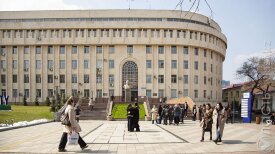
After seven years of reconstruction, the Tselinny Center of Contemporary Culture has opened in Almaty. Within the framework of the project “A Place of Memory: Tselinny”, Vlast explores the building’s renovation, filled with new meanings.
The Opening
The Tselinny Center of Contemporary Culture opened on September 5. Amantay Kusainbayuly, the warden, welcomed the first visitors. He has worked in the building since 1998, when the local authorities handed over the premises to the ‘Baurzhan-Show’ theater.
“The heating was turned off, there was only cold water. We only played Titanic… and just five people came to see it,” Kusainbayuly recalls, standing by the renovated facade.
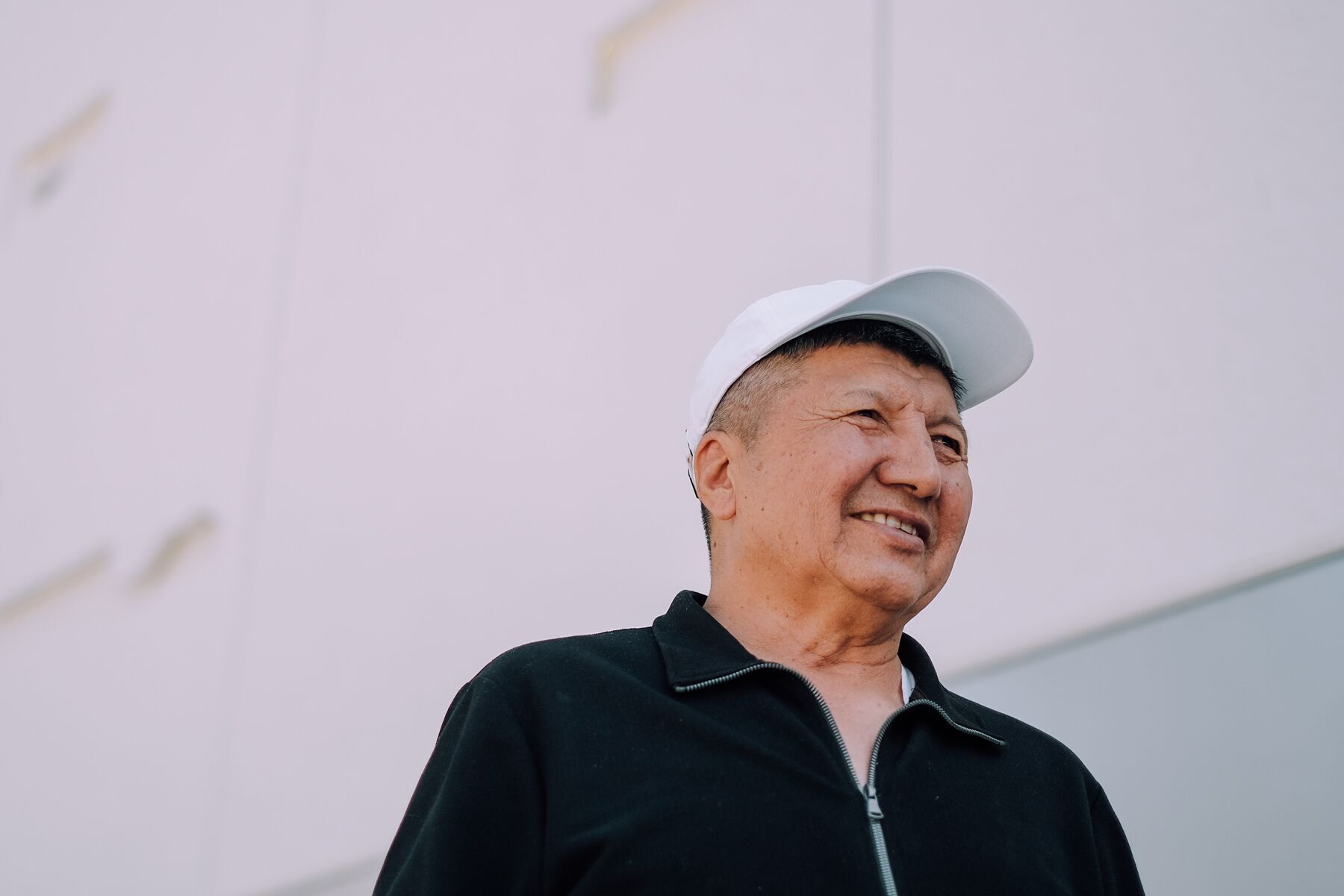
Amantay Kusainbayuly.

For him, this is the second opening of the Tselinny. He remembers how the renovated cinema was presented in 2001: A second floor was added, there was a pizza restaurant in the lobby, the huge cinema hall was divided into two, and a nightclub started operating under the grandstand. If a film ended after midnight, the club was asked to open later.
Tselinny operated until 2013, when shopping malls’ modern multiplexes finally took over, affecting this historical hotspot as well as other independent cinemas.
Kusainbayuly tells how he was waiting for the opening of a new Tselinny: “I imagined what it would be like. Yes, it took a long time, but this is not a new construction that you can finish within a couple of years. It’s an incredible job - just look at the pavement! People should be happy with this building. I am proud to have worked here for 28 years, and to open Tselinny for the second time is such an honor.”
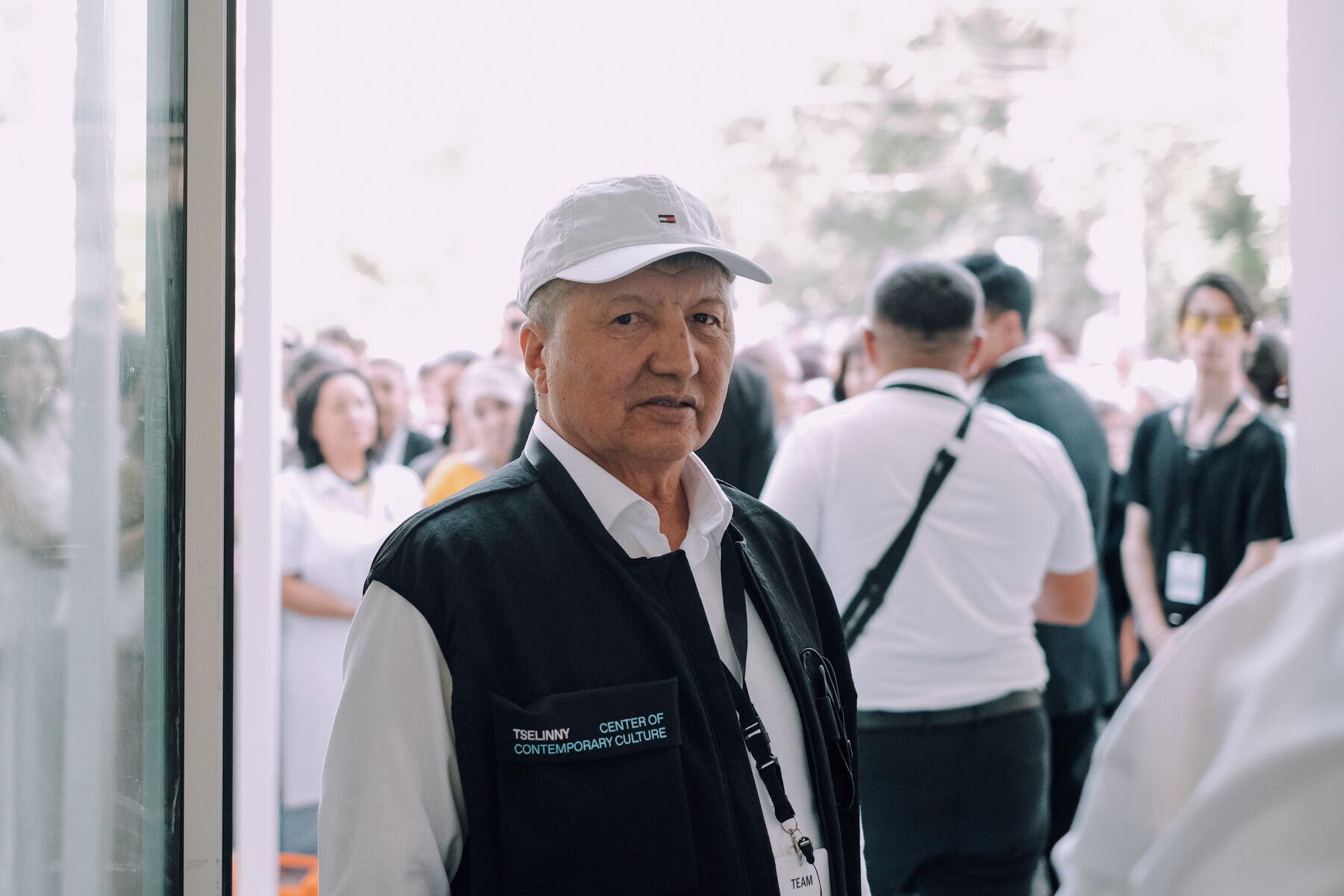
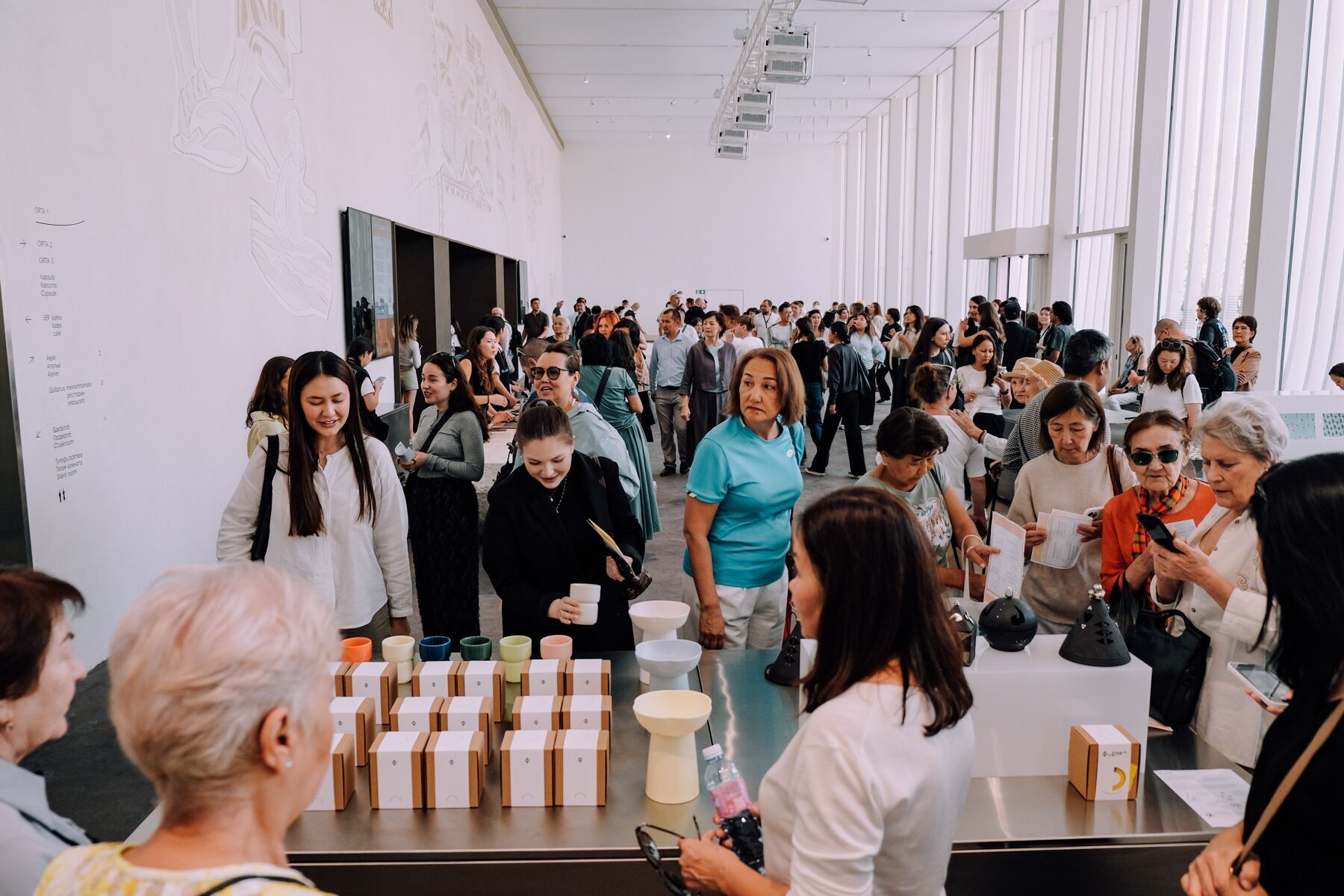
When he opens the doors, the lobby quickly fills with people: the new Center opened its doors to the people first, only inviting the press three days later. During the first three days, 12,000 people came to see the new Tselinny.


The Building
Before the reconstruction began, the State Research and Design Institute earmarked the building for demolition, because it did not comply with existing earthquake safety standards. While this would have been easier and cheaper, the owners decided to fight for the building’s survival, and the Institute developed a plan to strengthen its structure.
The Tselinny Cinema, built in 1964 as the country’s largest cinema, was also never included on any list of protected buildings.
Asif Khan, the British architect who designed the UK Pavilion at EXPO 2017 in Astana, was hired for the renovation. Jama Nurkalieva, the Center’s director, says that the architect was tasked with preserving the historic modernist building.
At first, he proposed creating a glass facade with a 45-degree angle. The main problem with the historic facade was that it only “came to life” at dusk. During the day, it was just a dark screen. This was the challenge the architect sought to address.
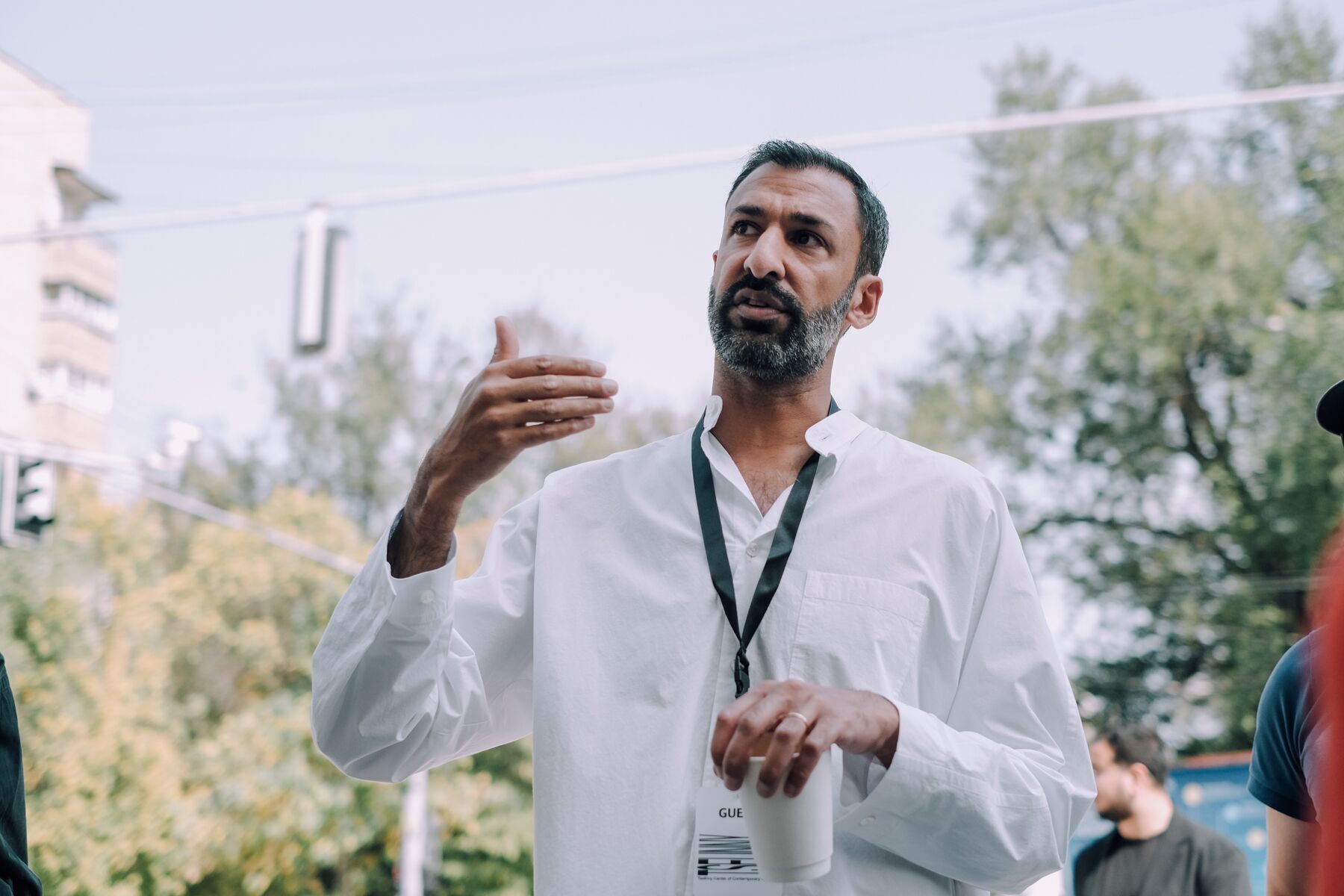
Asif Khan.


The project was actively discussed by the public council, with both criticism and even a proposal to let water flow down the sides of the facade, something impossible due to the climate conditions.
Khan also suggested making a usable roof, which is practically unheard of in Almaty. This was not possible due to engineering limitations.

From left to right: Jama Nurkalieva, Kairat Boranbayev, and Asif Khan.
As a result, Khan presented a new project that pleased everyone.
He returned to the idea of the original 1964 facade but placed an 8.5-meter-high airy row of slats in front of it. He describes it as “a curtain in front of a cinema screen.”
“When you enter the building, it is like you pass through a cloud,” the architect told Vlast.

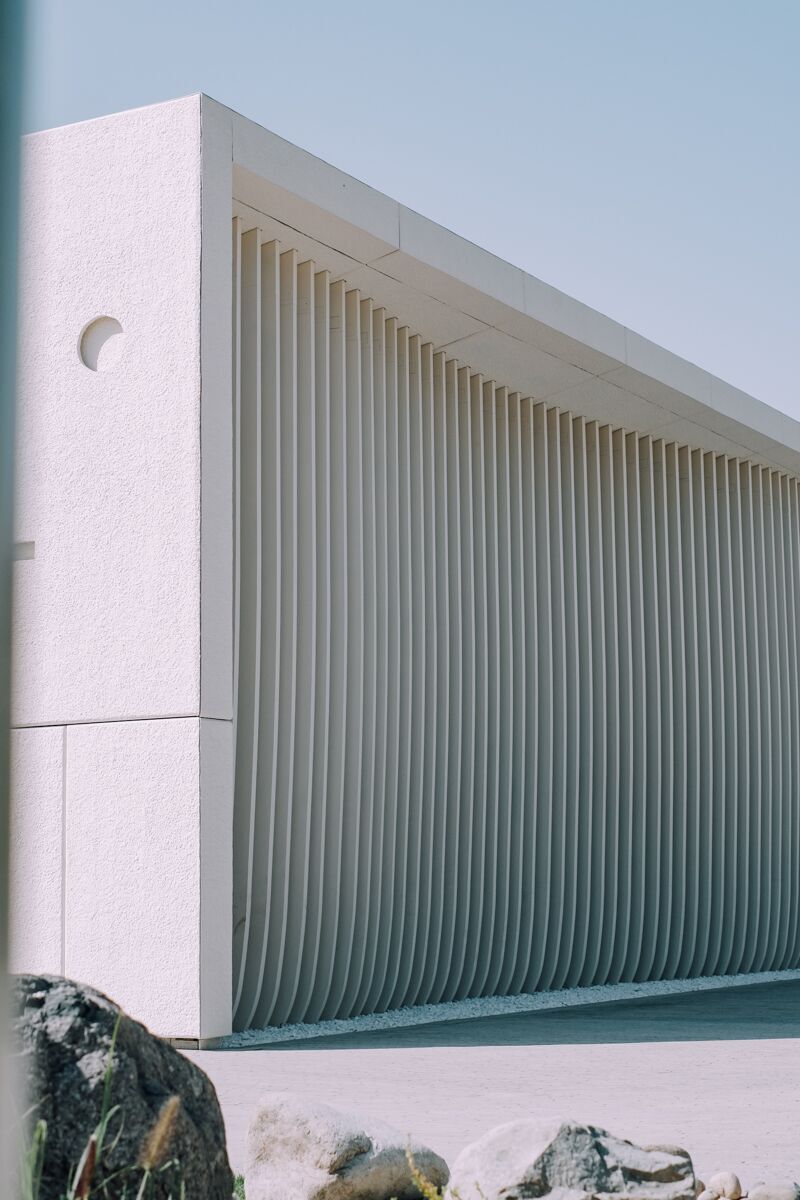
Khan first came to Kazakhstan in 2017, where he met his future wife, architect Zaure Aitayeva. They married in Almaty.
According to him, they started working on Tselinny together: “We also completed the project together. During these seven years we visited all of Kazakhstan, she told me about this country and introduced me to it. All the things we’ve been doing in this period have changed us.”
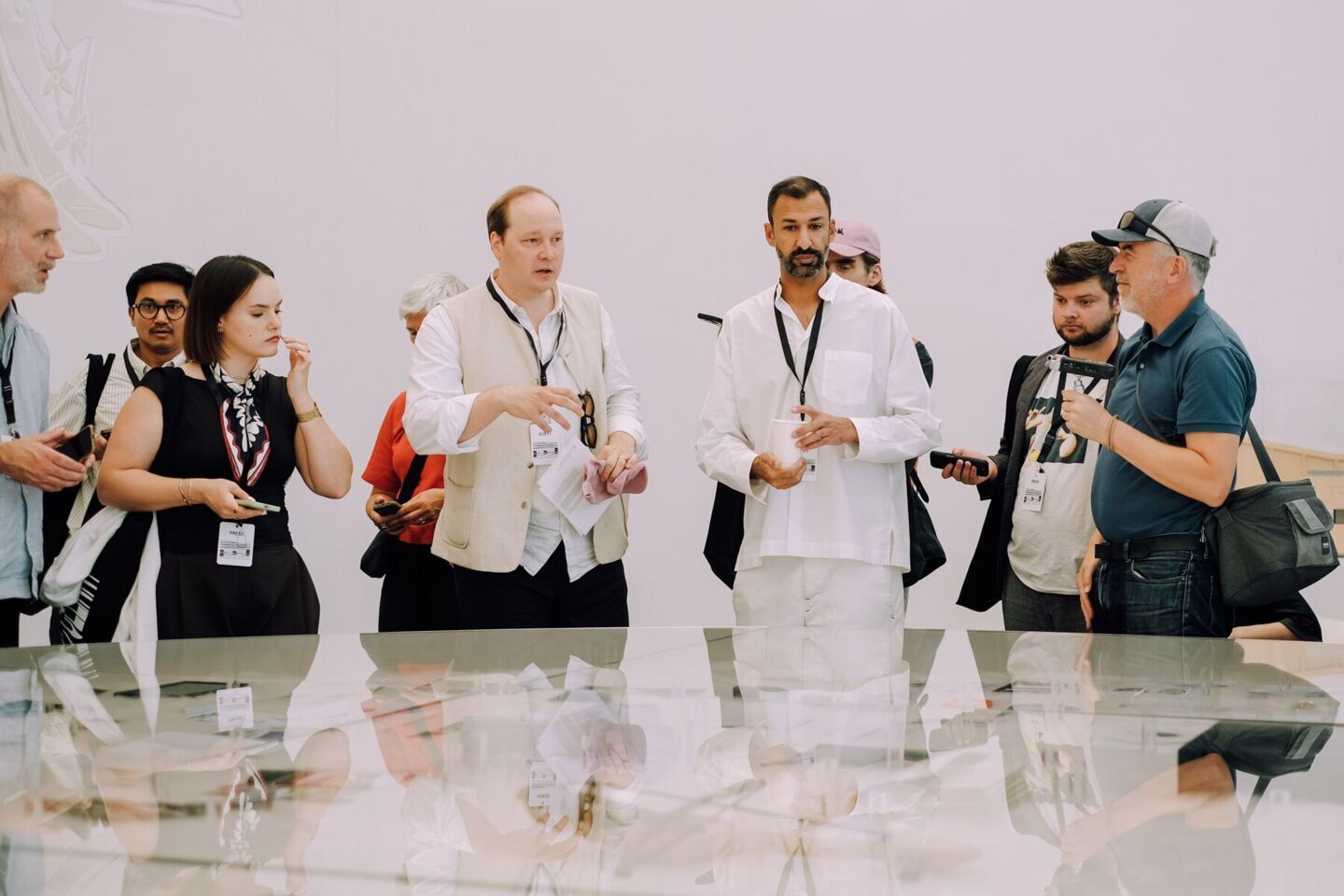
In the architect's opinion, the work on Tselinny was the most important stage in his life, and as a result, both he and the building experienced a great transformation.
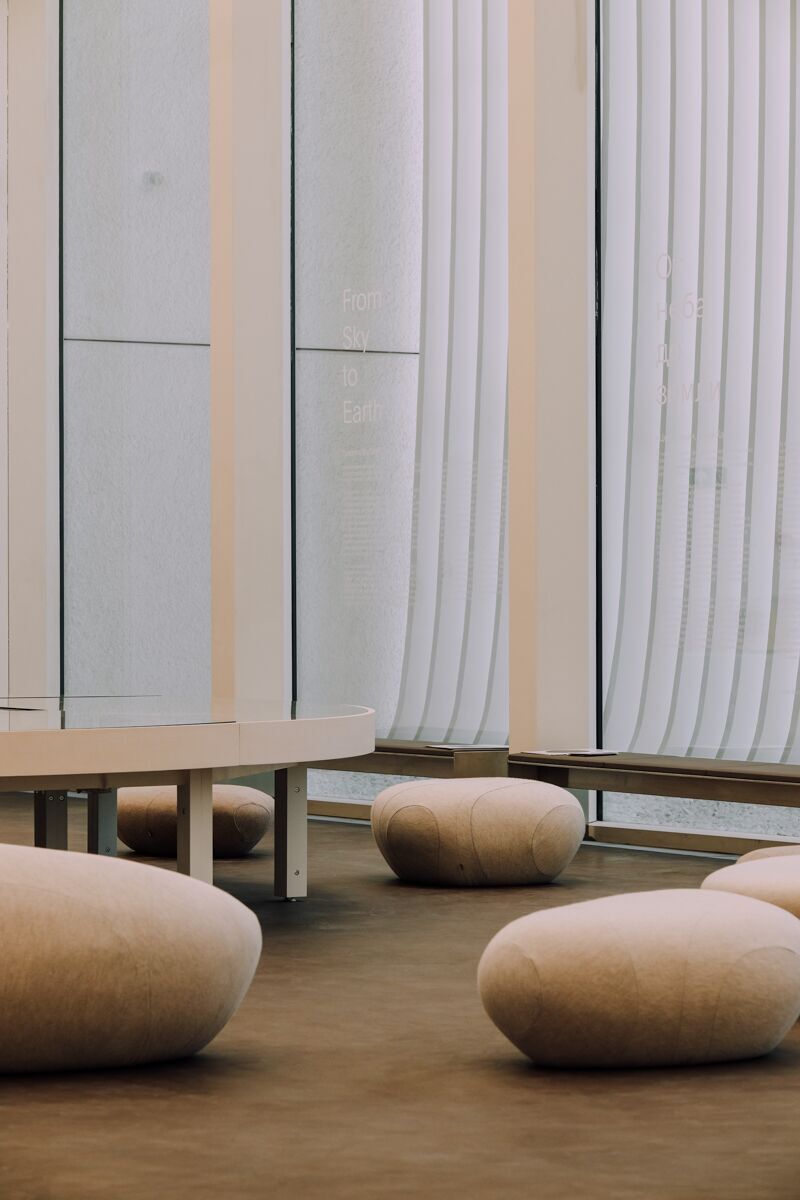
In the foyer, it is possible to see the exhibition “From Heaven to Earth: Asif Khan’s Tselinny,” which shows the various stages of the architect’s work on the building.
During Tselinny’s seven years of reconstruction, the country’s president was replaced, a pandemic broke out, and Bloody January shook the country.
The Sgraffito
In 2018, a sgraffito by the renowned artist Yevgeny Sidorkin was accidentally discovered in the building’s foyer. It had previously been thought lost during the building’s reconstruction in 2000, when the wall was in fact reinforced with metal frames and covered with drywall.
In order to “appease” activists, 25 years ago the cinema’s owners created copies of the sgraffito on the facade, which gradually led to the mistaken belief that these were Sidorkin’s original works. But the original was never on the façade, it was in the foyer. As a nod to those copies, however, a reinterpretation of them can still be seen on the building’s side.

The outside walls in 2018.

The outside walls now.
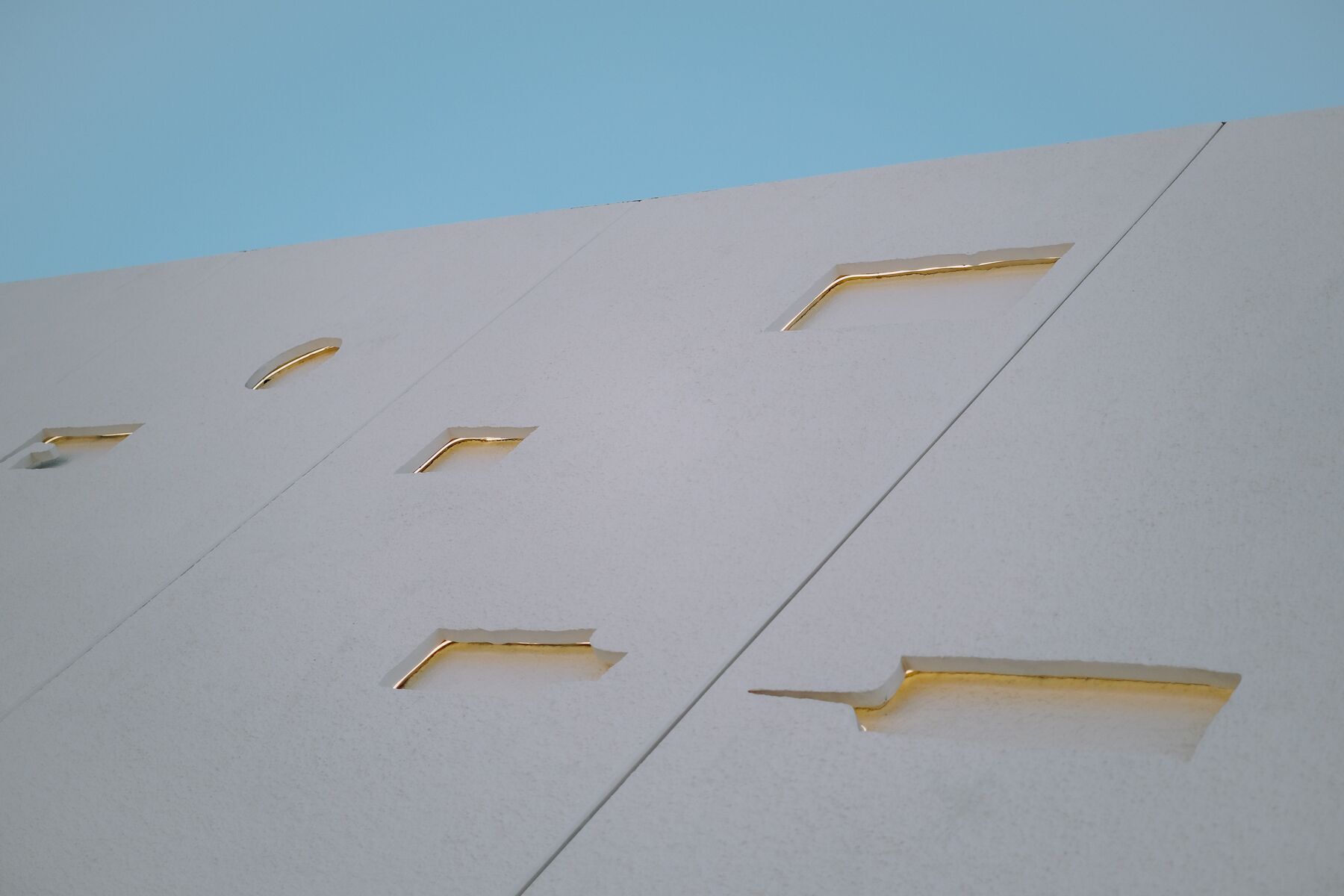
The main problem that arose in regard to the sgraffito was the necessity to practically rebuild the wall on which the artwork had been placed. The blocks were cut out and simply sat at the construction site for two years, waiting for the walls to be reinforced.

The sgraffito in 2018.
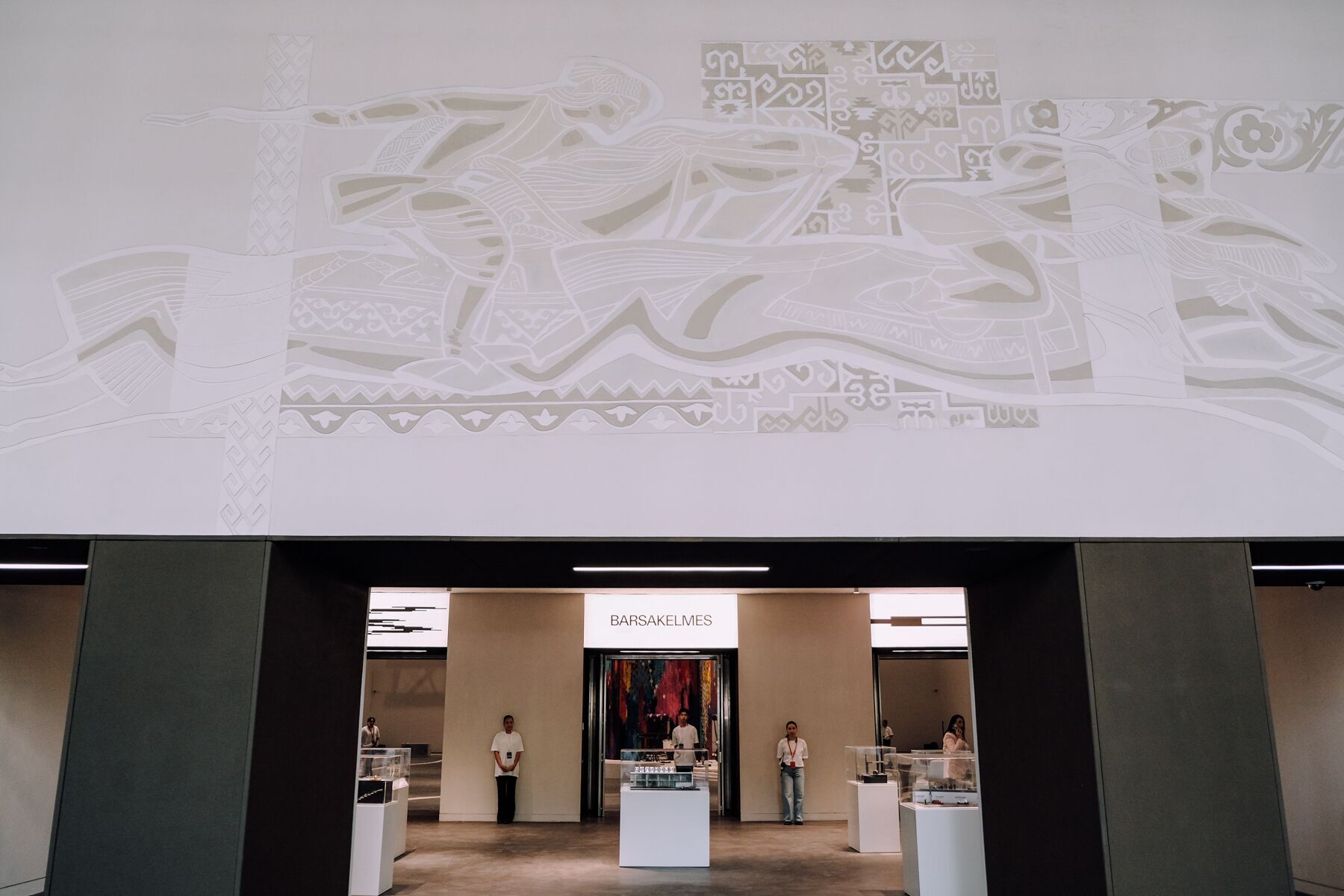
The sgraffito now.
Last year, the reconstruction team debated whether to leave the sgraffito’s “scars” it had sustained as a reminder of the 2000s, to restore the damaged fragments, or perhaps to repaint it in terracotta shades as seen in old photographs. In the end, Khan decided to slightly “tone down” the sgraffito so that the voices of contemporary artists presented here would be heard more clearly. The lost fragments have been highlighted in white.


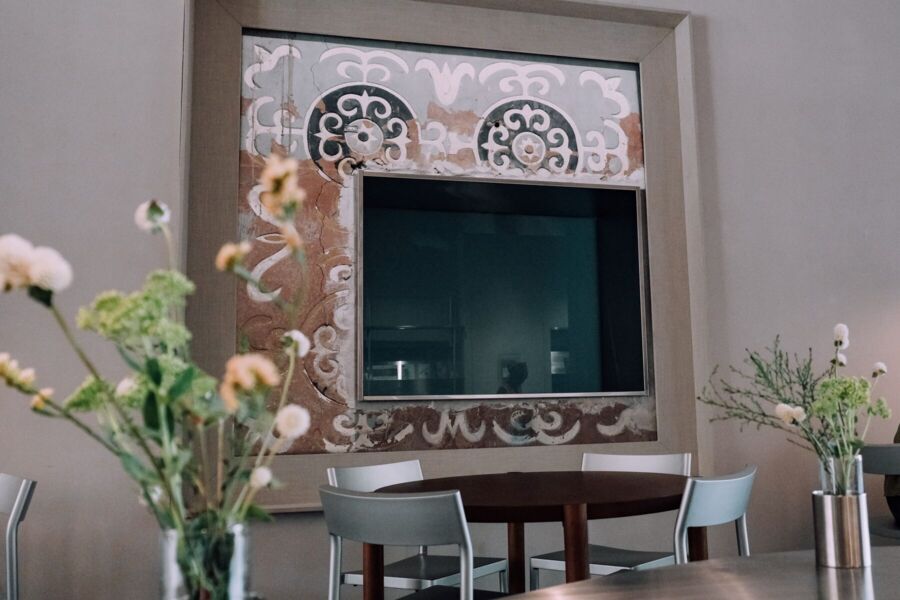
The project’s founder, businessman Kairat Boranbayev, suggested keeping a fragment of the damaged sgraffito from where a cash register had been placed in 2001. The mural can now be seen in the café JER, meaning “Earth” in Kazakh.
The steps in front of the building have disappeared so that it is now fully accessible and inclusive. Guests can also visit the café. A restaurant is scheduled to open in December.
The Art
Initially, Boranbayev proposed making Tselinny into a “transformational theater,” but Nurkalieva convinced him to instead open a hybrid art space for exhibitions, performances, concerts, and educational projects for children of all ages.
Boranbayev promised not to interfere in the work of Tselinny, noting that this place is about “seeing and feeling the changes taking place within each person.”
Nurkalieva noted that this is neither a museum nor a gallery, but a place to meet and give birth to something new.


The vast hall is reminiscent of the old cinema: this space once showed movies, hosted festivals, and held premieres. Now, it’s a place for creativity, called ORTA 3. Its white-painted walls seem like an invitation to create from scratch, from a blank page. Until December, it will host the interdisciplinary project BARSAKELMES, devoted to the Aral Sea. The floor is lined with white paths made of hardened salt brought from the region. There are also plans to hold retrospective film screenings with guest directors. The huge hall still has a screen and projector, the cinema identity has not fully disappeared from Tselinny.

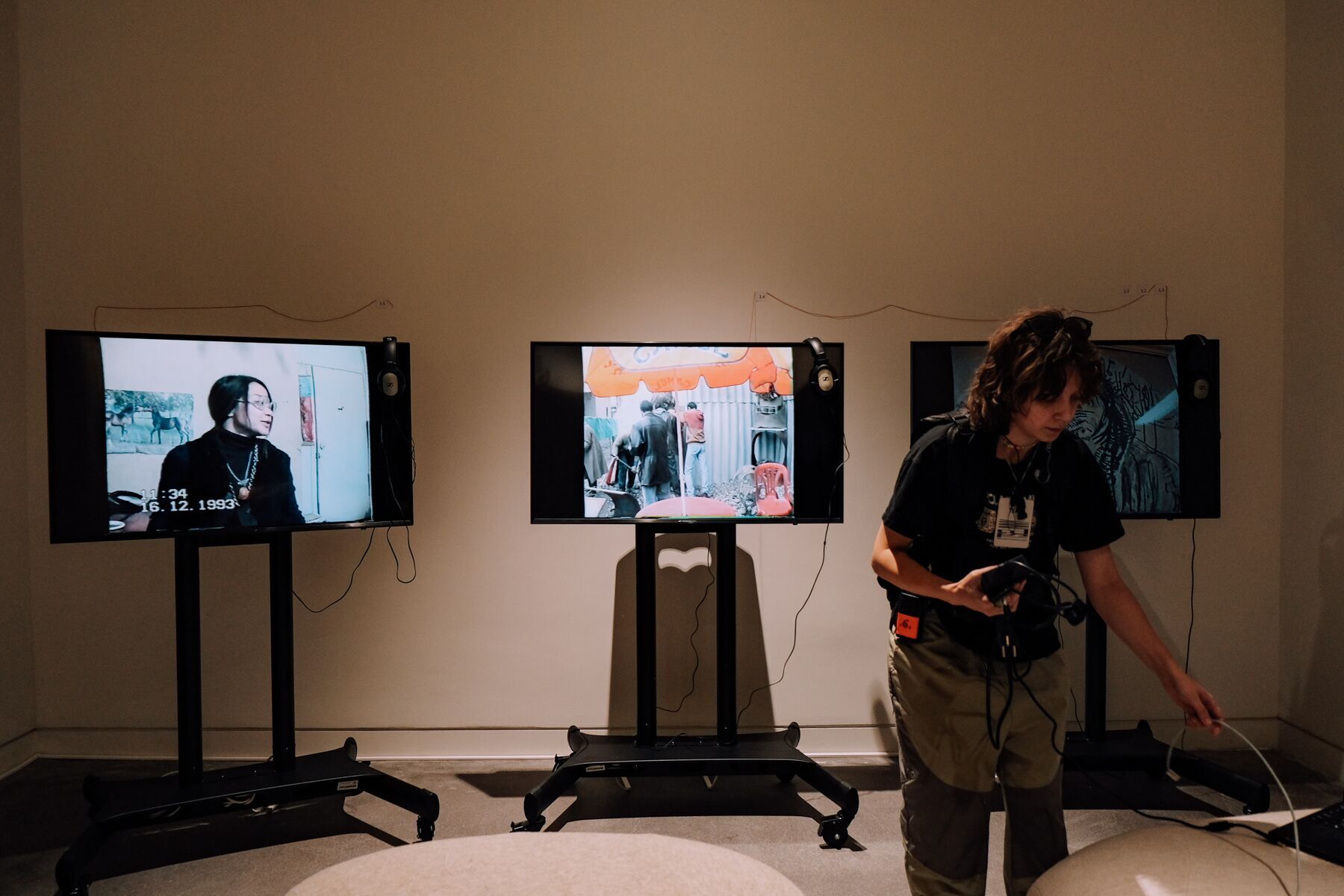
The exhibition “Documentation: The Imagination of Central Asia on the Map of Contemporary Art” is being held in the small adjacent hall, called “The Capsule.” Here all the archival material of Central Asian contemporary art since 1985 is collected.

For the first months, Tselinny will be open on Friday, Saturday, and Sunday from 15:00 to 19:00. Gradually, the opening hours will increase, and from 2026, it should be fully operational from 11:00 to 19:00, Tuesday through Sunday.

Next year, an exhibition called “Speculations and Fabrications” by Kazakhstani artists Galym Madanov and Zauresh Terekbay is planned.
From May 7 to June 28, the Sonic Arts Triennale “Korkut II: Rites of Eternal Wind” will be hosted at Tselinny. The triennale will be devoted to contemporary forms of sound art, practices of performative listening, experimental and avant-garde music, oral genres, and much more.


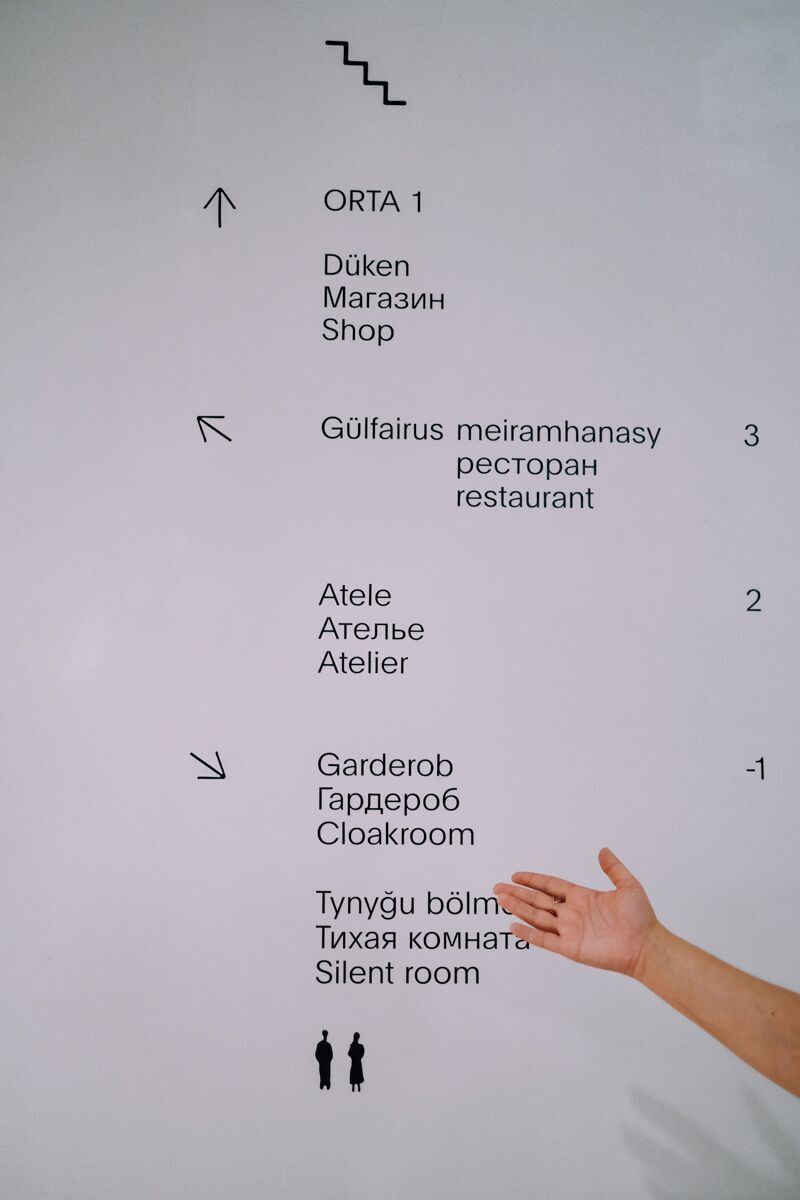
Tselinny will also open new sections in the coming months, mostly on the second floor.
Ahead lies a major reconstruction of Akhmet Baitursynov Park, adjacent to Tselinny. Already now, the Center is transforming the surrounding area, bringing the flow of people back to this part of the city.
Tselinny is open to the public now. Visit the website that tells its whole story here.
To go back to the time when Tselinny was first planned and built, read this piece. To delve into Tselinny's best years, read this piece. For a breakdown of what happened in the 1990s and 2000s, read this article.
Осы мақаланың қазақша нұсқасын оқыңыз.
Читайте этот материал на русском.
This article is an edited translation of an article from a series of pieces published in partnership with Tselinny Center of Contemporary Culture.
Поддержите журналистику, которой доверяют.